Practical
Fes pottery district and Ain Nokbi: how the map fits together
Travel guides often mention a pottery district when describing Fes. That craft area and a booked workshop are related ideas, but they are not automatically the same pin on the map. Knowing the difference helps you plan observation, shopping elsewhere, and a hands-on session without mixing up addresses.
7 min read
What “pottery district” usually refers to
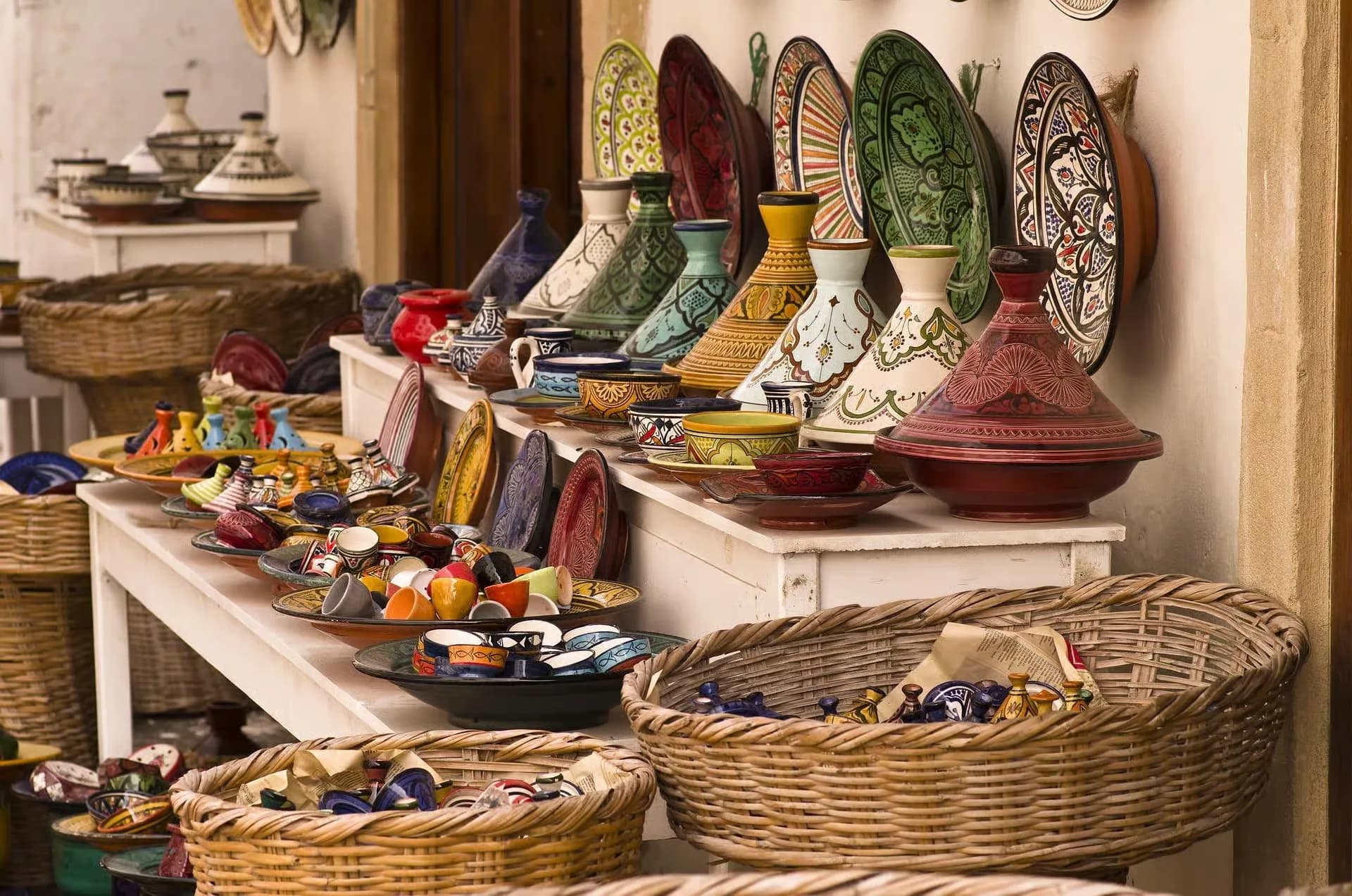
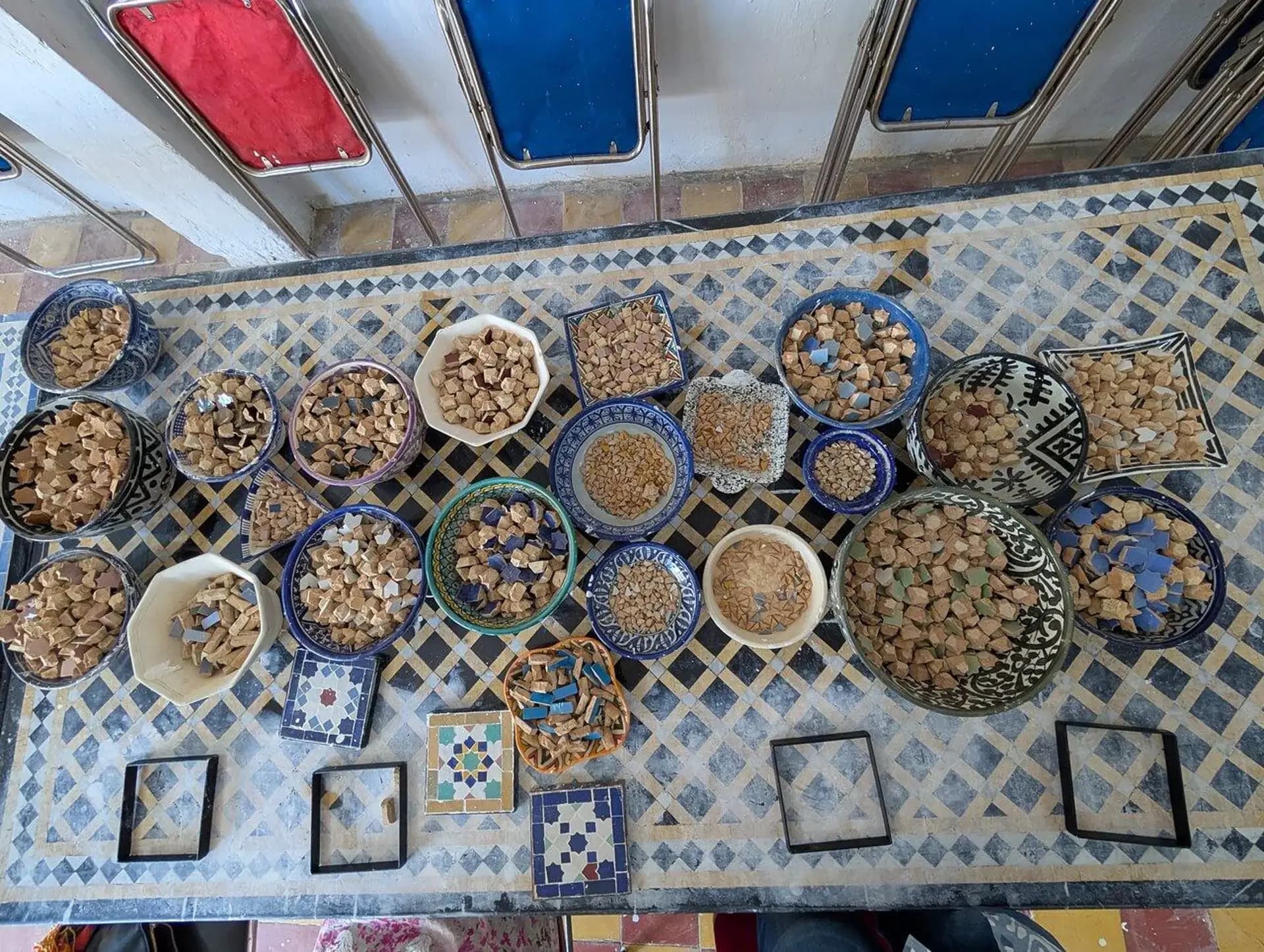
In Fes, visitors often use “pottery district” as a shorthand for neighborhoods and streets where ceramic production, finishing, or sales are especially visible. What you see can include workshops, showrooms, and streets with craft activity—varying by exact route and day.
Because the area is not a single indoor museum with one entrance, experiences differ widely. Some travelers mainly observe; others browse; others continue to a reserved workshop at a specific address.
Where Workshop Fès Pottery is located
Workshop Fès Pottery is located in Hay Lalla Yacoute, Ain Nokbi, Fes, Morocco. That is the meeting point for its pottery and mosaic, zellige, and pottery painting workshops. Confirm the address when you book so your driver, taxi, or guide uses the correct destination.
The workshop is an independent teaching space. It does not claim to operate inside a factory floor or as a cooperative showroom. Keep that distinction in mind if you are comparing very different kinds of craft visits.
District browsing versus a booked workshop
Browsing a craft neighborhood can be atmospheric and photogenic, but it is not the same as a structured session with instruction. A workshop reserves time, tools, and guidance for your group.
If you want both, plan them as separate intentions: explore when you have open time, and keep your workshop appointment protected. Ask the organizer how to coordinate arrival rather than inventing a walking route or transfer time from a guidebook.
Getting there without invented timings
Transport options in Fes vary—taxis, private drivers, and arrangements through your accommodation are common approaches. Exact duration depends on traffic, starting point, and time of day, so treat any number you read online as non-authoritative until you check locally.
When you contact Workshop Fès Pottery, ask for the practical arrival tips that match how you travel. Email workshopfespottery@gmail.com or WhatsApp +212663639713 with your approximate location and schedule.
What not to assume from maps and blogs
Map pins can be outdated or point to neighboring businesses. Blog posts sometimes blur “the pottery area” with a specific host. Always verify the name Workshop Fès Pottery and the Hay Lalla Yacoute / Ain Nokbi address before you set out.
Also avoid assuming that a workshop visit includes a factory tour or cooperative membership storefront. If something like that matters to you, ask explicitly—and be ready for the answer to be no.
Combining neighborhood curiosity with learning
Many travelers enjoy noticing glaze colors and vessel shapes during a city day, then deepening that curiosity in a guided session. Others prefer to learn first so later observation feels sharper. Either order works if logistics are clear.
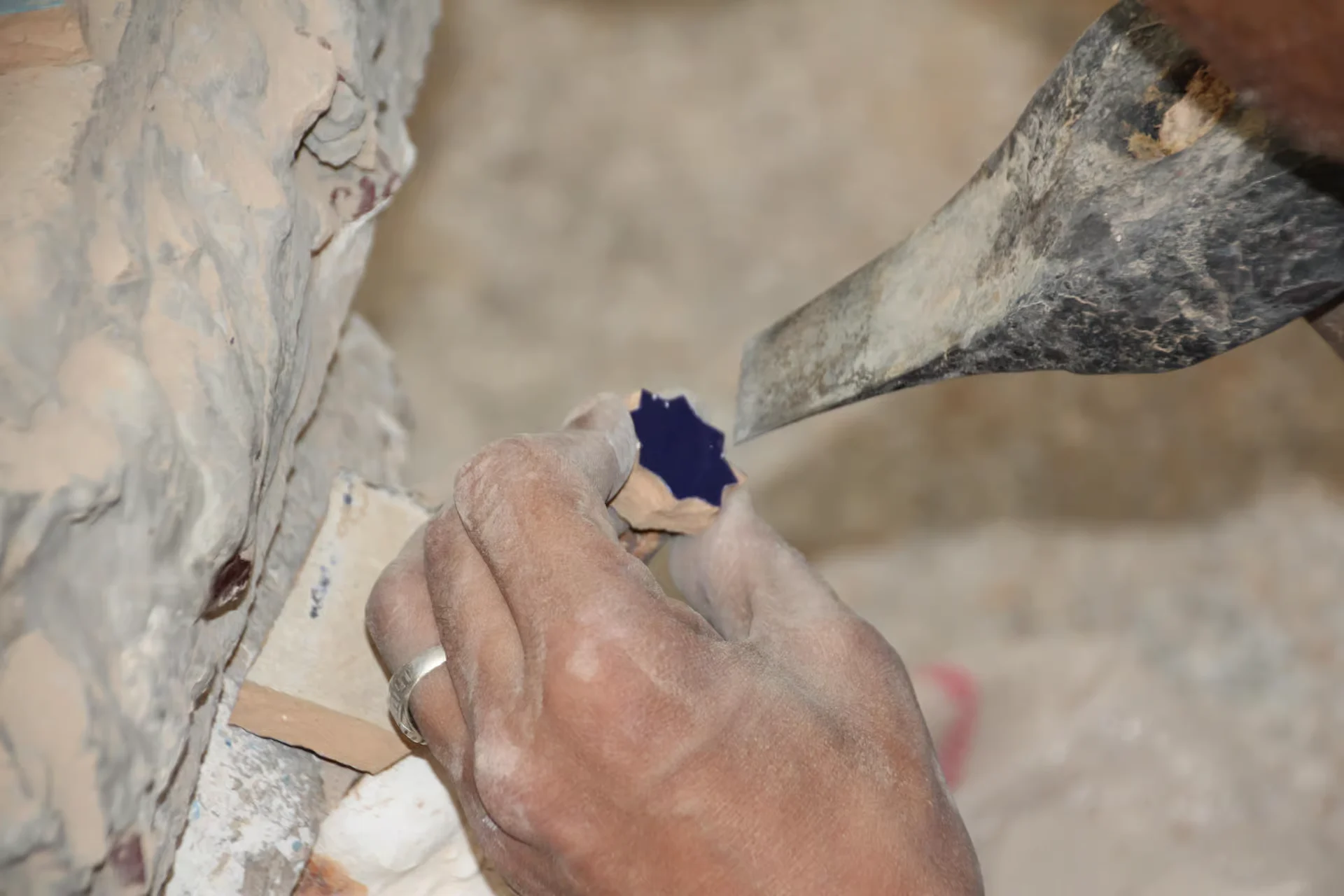
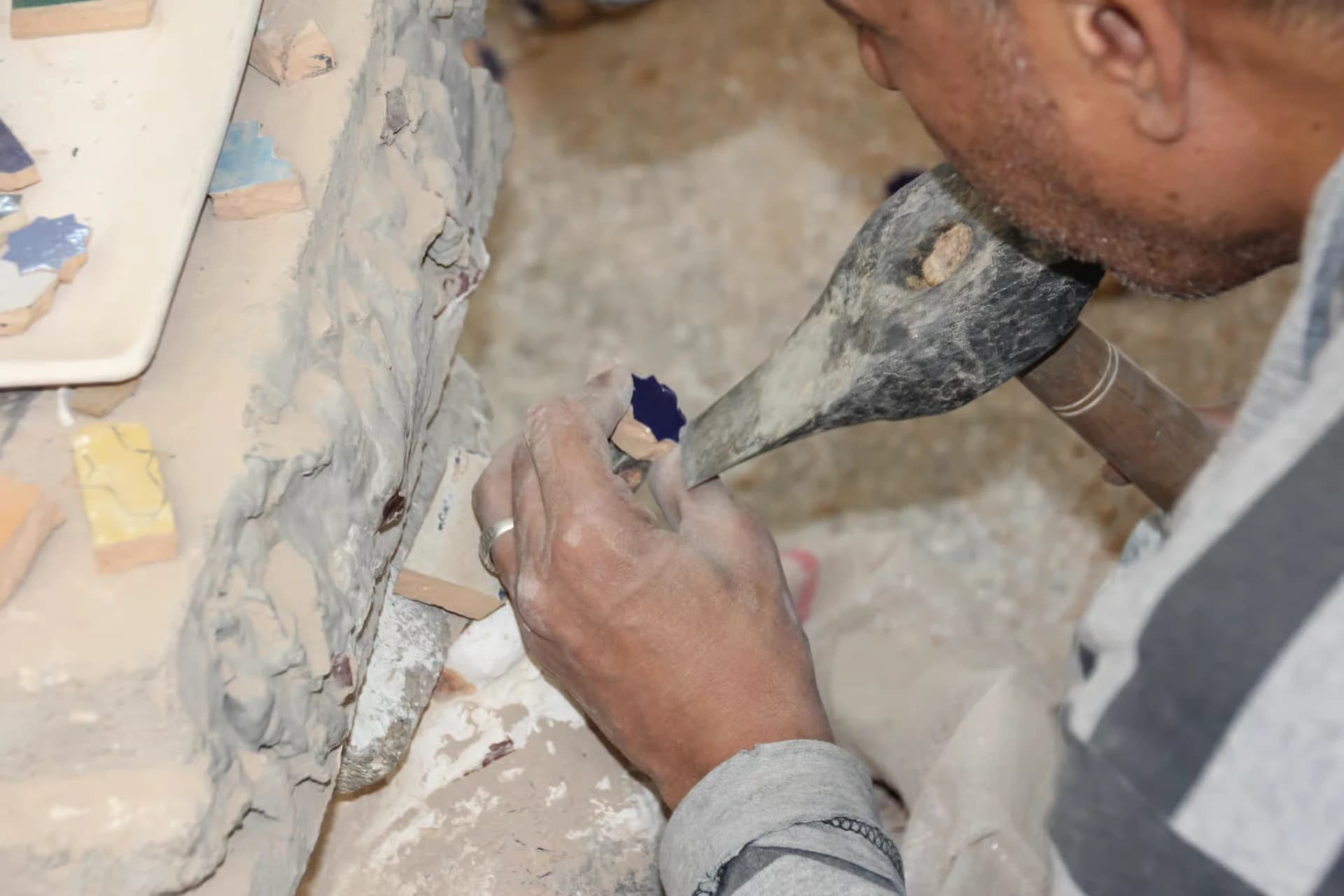
Choose pottery and mosaic, zellige, or pottery painting based on the skill you want to feel in your hands—then lock the booking details before filling the rest of the day.
Practical takeaway
Think of the pottery district as a broader craft landscape and Workshop Fès Pottery as a specific workshop address in Ain Nokbi. One informs atmosphere; the other delivers a reserved learning experience.
Confirm place, time, activity, and language with the organizer. That single habit prevents most location mix-ups visitors report after busy days in Fes.
Related workshops
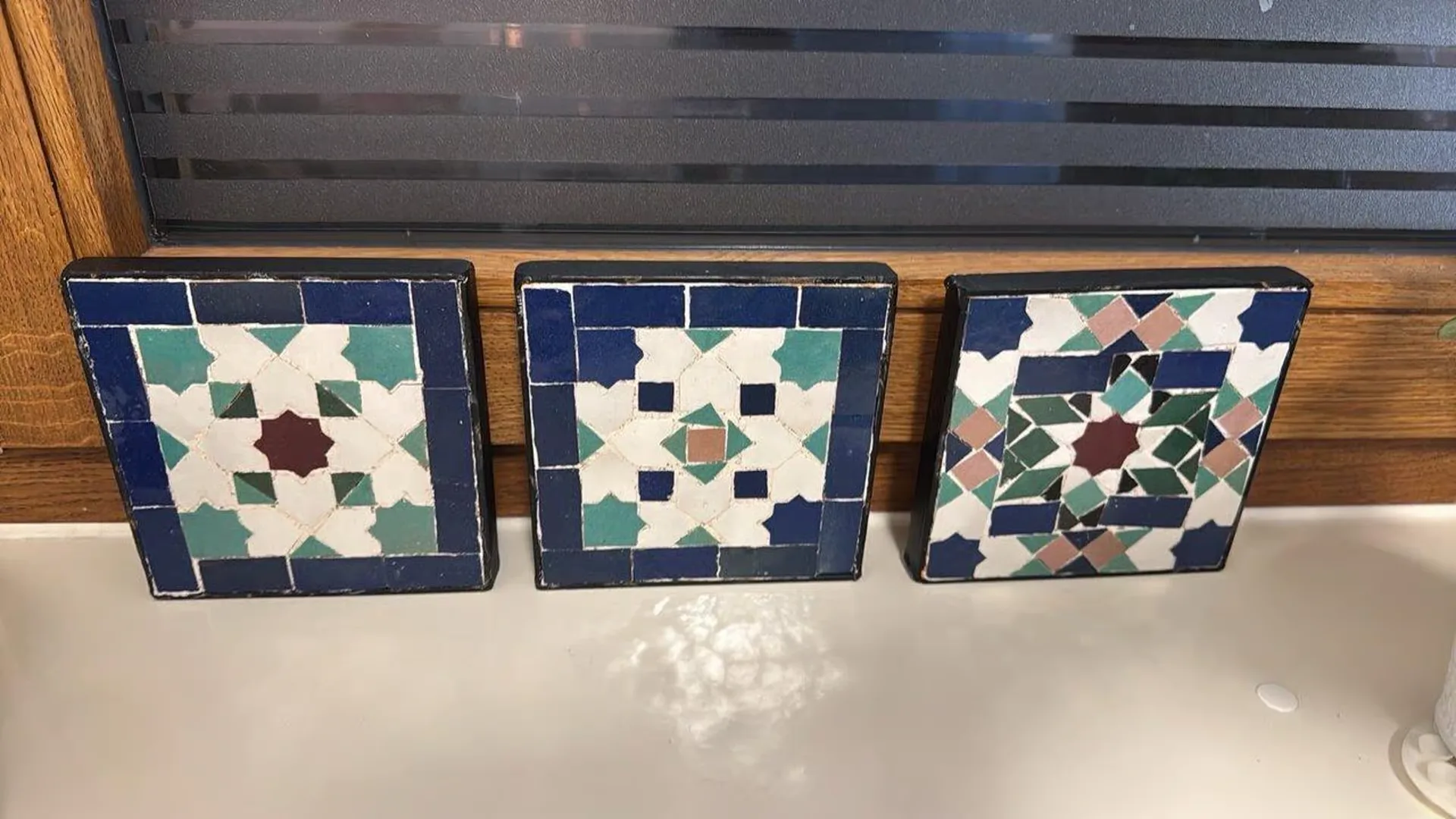
Pottery & mosaic workshop
Work with clay and explore mosaic in a guided session designed to introduce the gestures of Fassi ceramics.
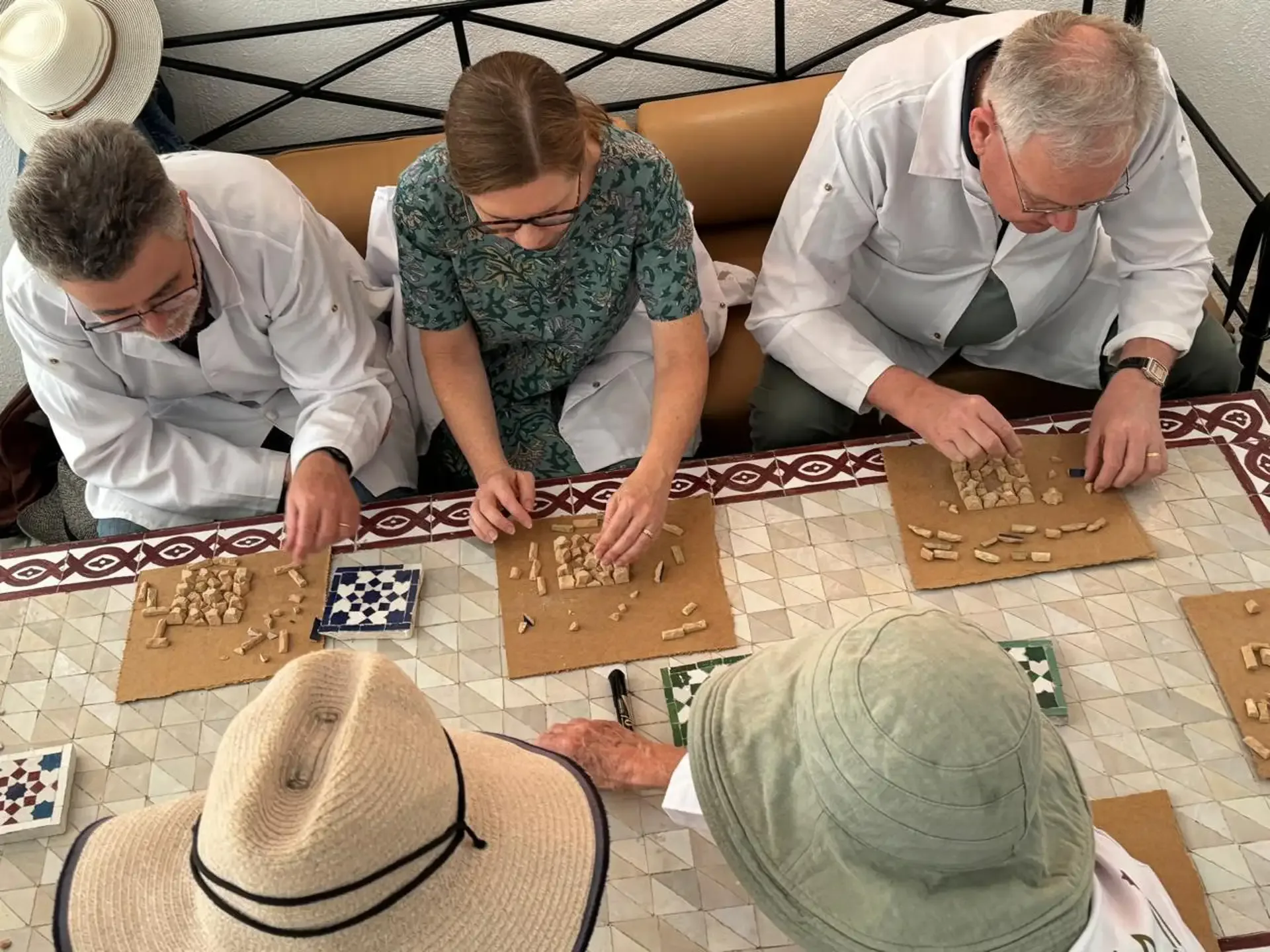
Zellige mosaic workshop
Enter the world of zellige: geometric forms, colour, and tile assembly in a workshop setting.
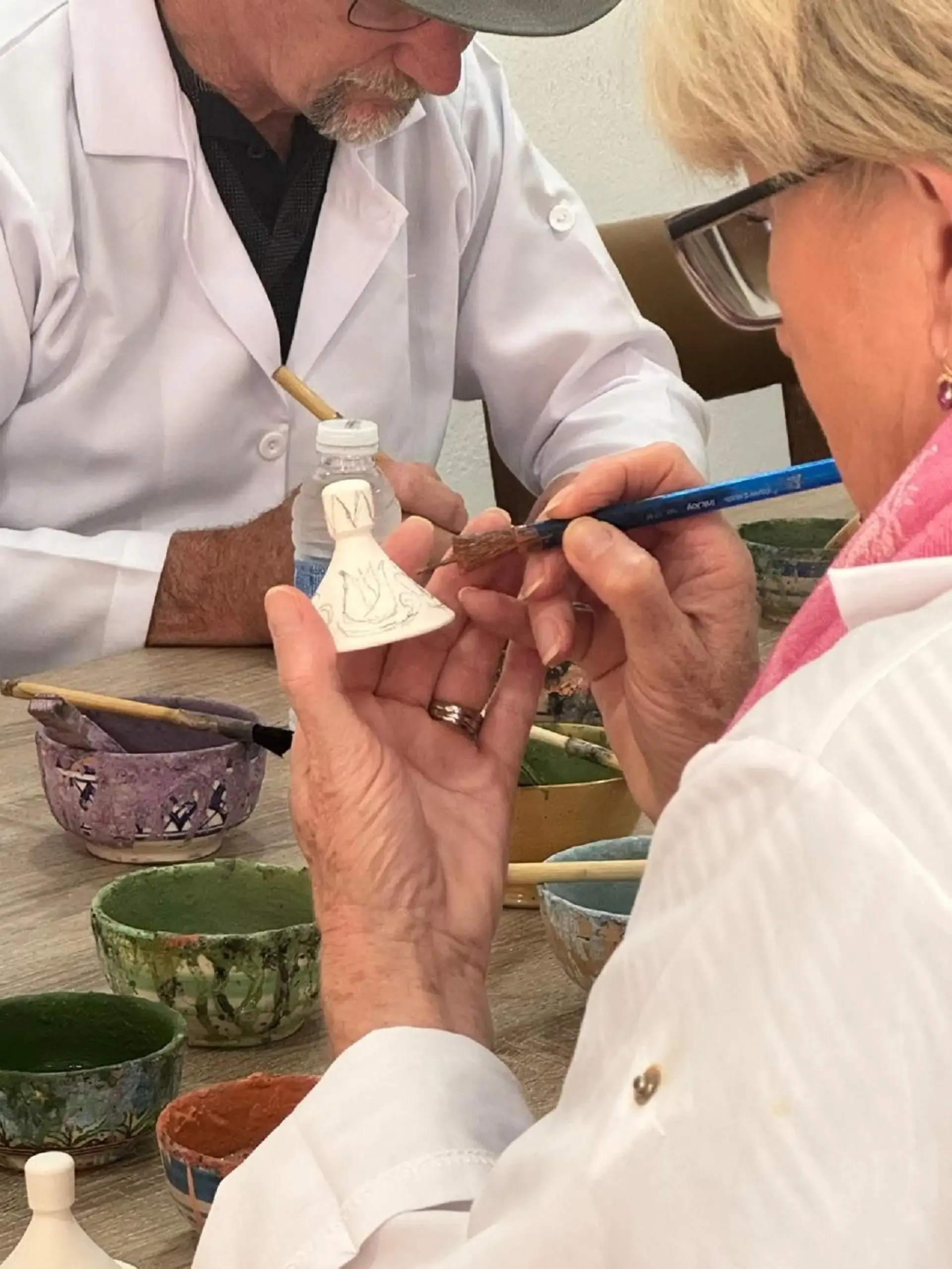
Pottery painting
Decorate a pottery piece with motifs and colour, at your own pace, with guidance from the workshop.