Culture
Traditional Moroccan pottery: materials, patterns, and techniques
Moroccan pottery is not one single style. Across regions you will see different clays, glaze habits, and decorative vocabularies. This guide stays with what travelers can usefully observe and ask about—materials, patterns, and techniques—while leaving disputed timelines and legendary origin stories aside.
9 min read
Regional variety without forcing a single story
Different Moroccan cities and rural areas are associated with distinct pottery looks—some more utilitarian, some highly decorative. Fes is frequently linked with refined glazed ware and blue-toned decoration, while other centers are known for different forms or color habits.
When you travel, treat labels as starting points for conversation with makers, not as rigid categories. Asking “how is this piece made here?” usually teaches more than memorizing a national checklist.
Materials: clay, slip, glaze
Traditional work typically begins with locally prepared clay bodies suited to throwing, coiling, or molding. Slips and glazes add color and surface character; their exact recipes belong to workshops and are often guarded as practical know-how rather than published formulas.
As a visitor, you mainly need to know that clay behaves differently when wet, leather-hard, or bone dry, and that glaze color can shift through firing. Those physical facts explain why short workshops rarely complete every stage in one sitting.
Forming techniques you may hear about
Common forming approaches include wheel throwing, hand-building with coils or slabs, and the use of molds for repeatable shapes. Workshops choose methods that match teaching goals and available equipment.
None of these techniques is automatically “more traditional” in a visitor context. What matters is whether the instructor explains the reason for each step and whether you can practice safely.
Patterns and surface decoration
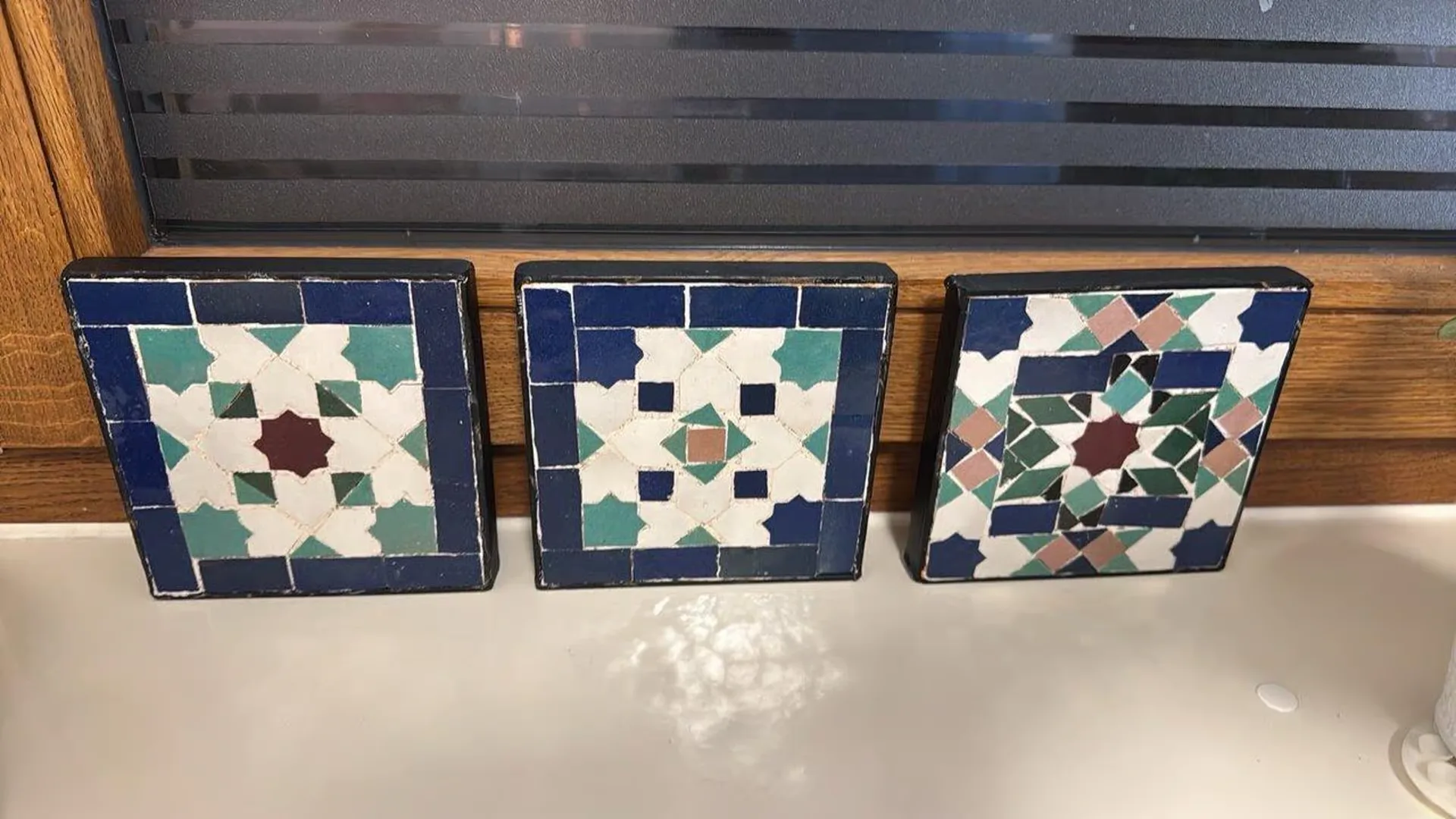
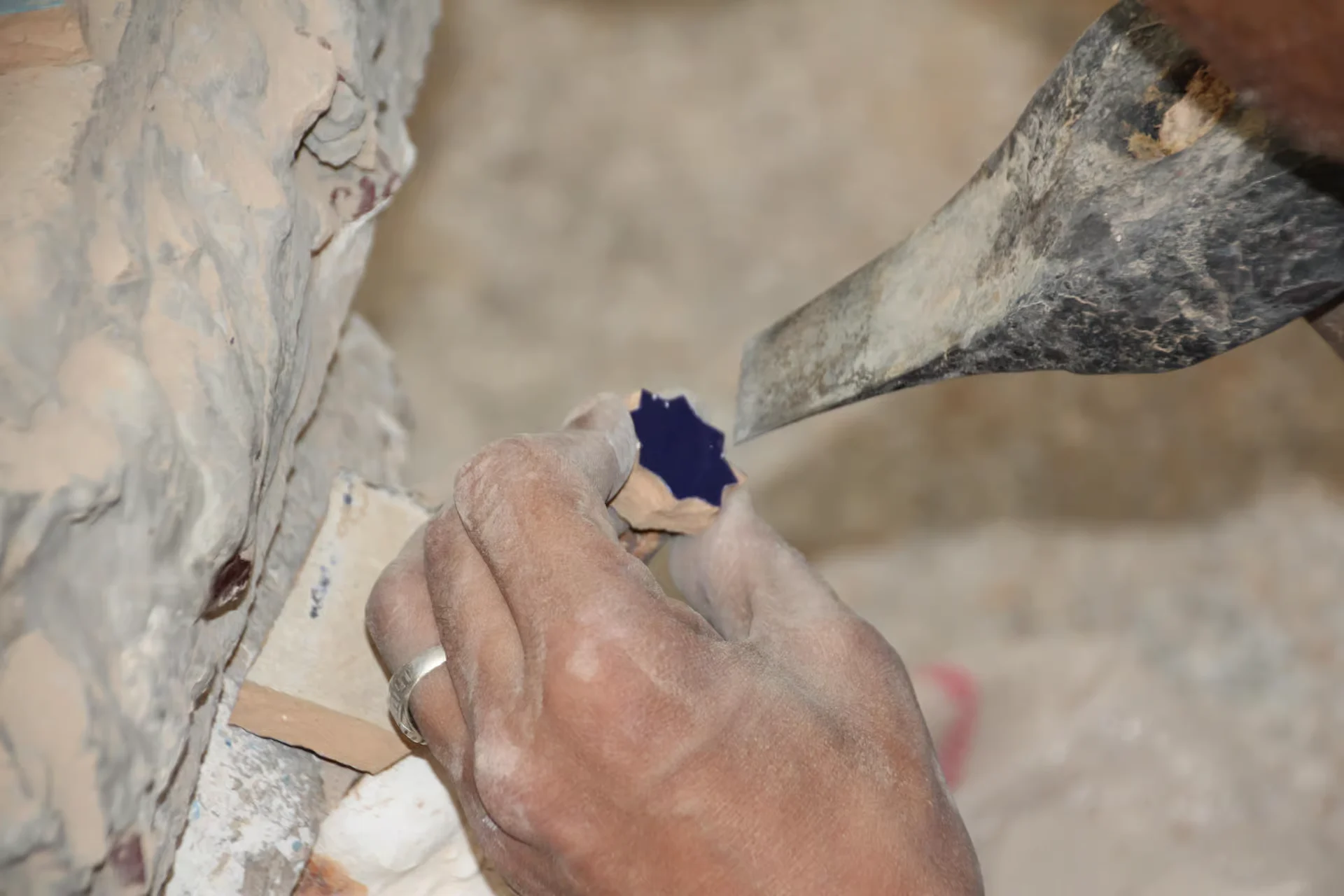
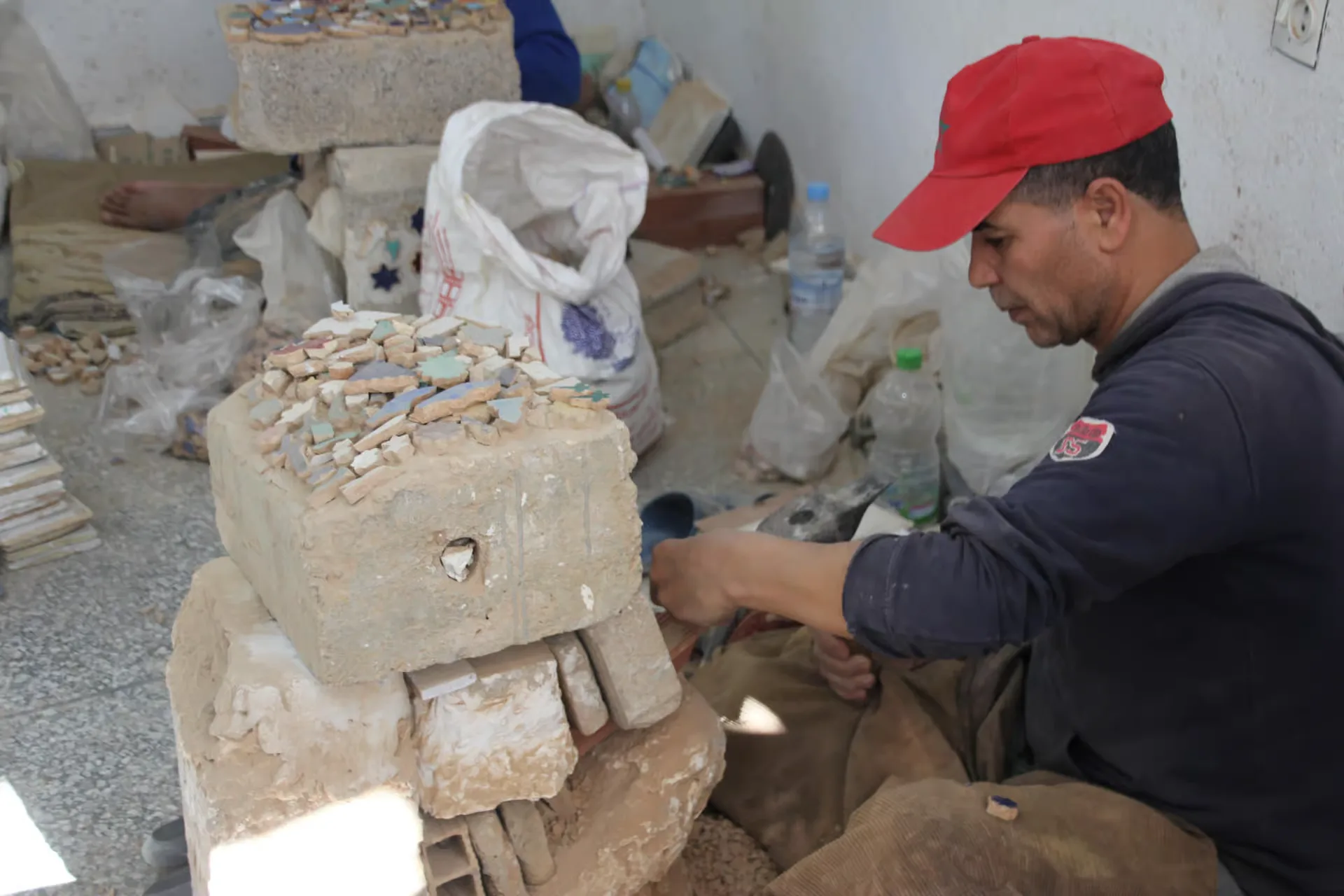
Decorative languages often include geometric borders, floral scrolls, radiating motifs, and color contrasts such as blue on a light ground. Related crafts—like zellige mosaic—share a love of geometry but assemble hard tile pieces rather than painting a continuous surface.
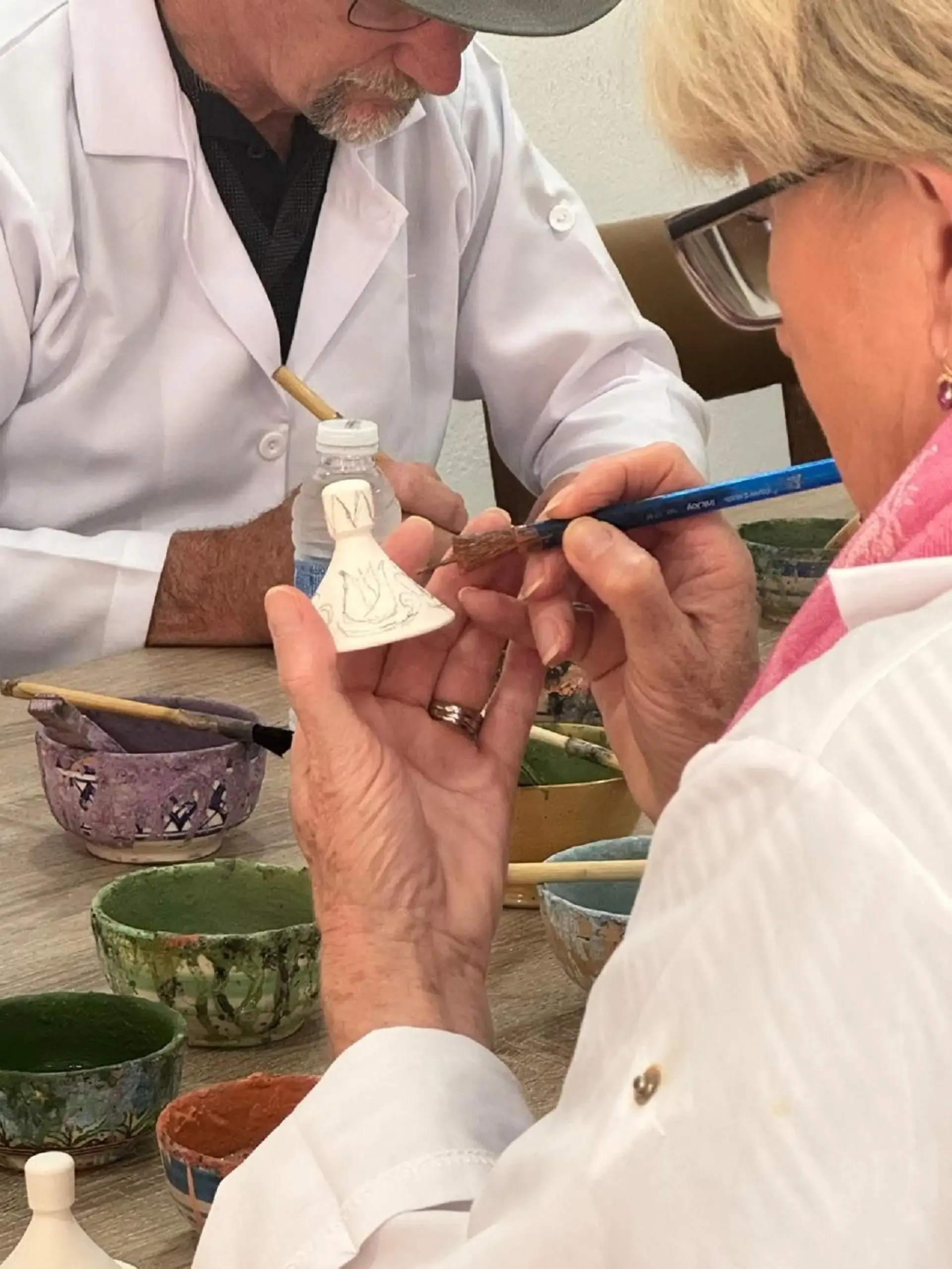
If painting attracts you more than forming, a pottery painting session focuses your time on brush control and motif spacing on a prepared piece.
Firing, strength, and intended use
Firing transforms fragile dried clay into a durable ceramic body. Temperature ranges and kiln types vary; without technical testing you should not assume a piece is suited to oven use, dishwasher heat, or food contact.
When buying ceramics elsewhere, ask about intended use. In a learning workshop, focus on process first; confirm separately whether any object you make is meant for display or daily use.
Learning respectfully as a visitor
Short workshops are invitations to try gestures, not shortcuts to a master title. Photograph tools only if allowed, credit the people who teach you, and avoid presenting a one-hour session as deep apprenticeship.
Workshop Fès Pottery in Hay Lalla Yacoute, Ain Nokbi, offers pottery and mosaic as well as painting workshops for visitors who want guided practice. It does not claim to be a factory or cooperative, and prices are provided on request.
Keep exploring with better questions
Useful questions include: Which forming method will we use? Is decoration painted, carved, or mosaic-based? What happens after the session if firing is needed? Answers to those questions build a realistic picture of traditional practice as it is taught today.
If Fes-specific styles interest you next, read about local pottery traditions and then decide whether observation, a workshop, or both fit your itinerary.